
Why Casino Loyalty Programs Matter and What Players Should Look For

Casino loyalty programs have become a standard part of online and land-based gaming. They reward players for choosing the same casino over time, often through points, bonuses, cashback, free spins, or access to special events. Yet, a loyalty program is not automatically valuable because it offers rewards. Players need to understand how points from diwa game are earned, what benefits actually cost, and whether the terms suit their playing habits. A good program can add value to normal play. A poor one can encourage unnecessary spending. Knowing what to examine makes the difference. This approach helps players separate genuine value from flashy promotions and make informed choices without confusing entertainment with financial gain or treating rewards as guaranteed savings over time wisely.
Understanding How Loyalty Programs Work
Casino loyalty programs usually operate through points or membership levels. Players earn points based on qualifying wagers, deposits, game types, or time spent playing. Those points may then be exchanged for bonuses, cash rewards, merchandise, meals, rooms, or other perks. Some programs use tiers. Reaching a higher tier can unlock better benefits, such as faster support, larger bonuses, or invitations to private events. The important detail is that every program calculates rewards differently. A slot wager may earn points at a different rate from a table game. Online casinos may also attach wagering requirements to bonus rewards. Players should read the rules before focusing on the advertised value.
Comparing Rewards With Real Value

The headline reward is only part of the picture. A casino might advertise generous cashback, but the offer could include strict limits or playthrough conditions. Another program may provide smaller rewards that are easier to use. In practice, the second option can be more useful. Players should compare how quickly points accumulate and how easily they can be redeemed. Expiration dates matter too. Some points disappear after a period of inactivity. Others may have different values depending on the reward selected. A sensible comparison looks beyond the promotional language and considers the actual return a player can receive.
Checking Terms and Conditions Carefully
Terms and conditions deserve close attention because they define the real limits of a loyalty program. Players should check wagering requirements, eligible games, minimum deposits, maximum bonus values, withdrawal rules, and point expiration policies. They should also see whether rewards are available immediately or only after reaching a certain tier. It is also worth checking whether a casino can change the program. Some operators reserve the right to modify point values, benefits, or qualifying activity. Clear rules are a positive sign. Confusing conditions make it harder to judge the program fairly.
Evaluating Personal Playing Habits

The best loyalty program depends on how someone normally plays. A player who prefers slots may benefit from a program that rewards slot wagers generously. Someone who plays table games should check whether those wagers receive comparable treatment. Frequent players may value tier benefits, while occasional players may prefer simple cashback or rewards with low redemption thresholds. Players should never increase their gambling simply to reach a higher status. Loyalty rewards are useful when they complement normal play. They become less attractive when they push someone toward spending beyond a planned budget. Responsible gambling should remain more important than any membership benefit.
Assessing Service and Player Protection
Rewards should not be the only measure of a casino’s loyalty program. Customer service, payment reliability, account security, and responsible gambling tools matter just as much. A program with attractive bonuses offers limited value if withdrawals are difficult or support is poor. Players should look for licensed operators that explain their policies clearly. Good casinos provide accessible account controls, deposit limits, self-exclusion options, and information about responsible gambling. These features show that the operator takes player welfare seriously. A loyalty program should add convenience without weakening those protections.
A strong loyalty program gives players benefits they can realistically use. Before joining, compare the earning rate, redemption process, restrictions, tier structure, and service quality. Consider whether the rewards match the games you already play and whether the program requires extra spending to unlock meaningful benefits. Players should also compare several casinos instead of choosing the first attractive offer. The best choice is not always the program with the largest bonus. It is the one with transparent rules, practical rewards, reliable service, and fair treatment. When viewed this way, casino loyalty programs can be useful tools rather than simple marketing devices. They can provide added value for regular players while making the overall casino experience more convenient. The key is understanding the terms and keeping gambling within a personal budget. Rewards should follow sensible play, not become the reason for playing more.…














 Before you deposit a single peso, make sure the app uses secure payment systems. Look for recognizable names such as Visa, GCash, PayMaya, or bank transfers backed by SSL encryption. If an app asks for personal information without encryption or verification, treat it like a flashing neon sign saying, “Run!” A secure casino app won’t hesitate to explain its payment procedures and security measures. You should easily spot their data protection policies and encryption details. If you’re unsure, try making a small deposit first and see how the process goes. The smoothness and clarity of that transaction can tell you a lot about the app’s credibility.









 Online gambling is built to be sticky. Flashy graphics, exciting sounds, and quick rewards keep people engaged. Add in the 24/7 availability, and you’ve got a recipe for trouble. No need to visit a casino. Your living room becomes one. Also, most platforms make it absurdly easy to deposit more money. They rarely stop to ask how you’re doing; they’re too busy ringing imaginary slot bells and flashing big win animations.


 [ ;l;Unlike classic slots, skill-based games combine luck with player ability. There’s still a random element, but the outcome also depends on how well the player performs in a given challenge. These can range from memory tests and quick reflexes to puzzle-solving or shooting games. In traditional slots, every spin has a fixed outcome based on a random number generator. Nothing the player does can influence the result. Skill-based slots, however, reward players who play well. Better performance can mean higher payouts or bonus rounds with more value. This shift makes the experience feel more active and less mechanical.
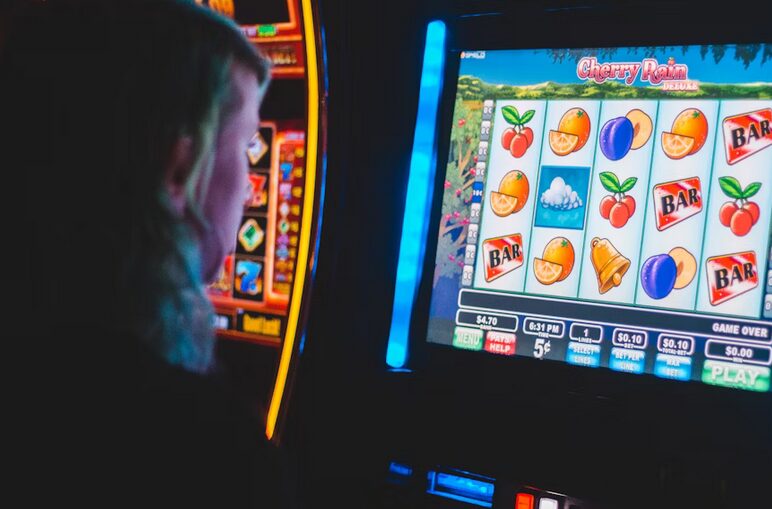 Millennials and Gen Z tend to prefer games that offer more than luck. They want feedback, progression, and ways to improve. Skill-based slots cater directly to this mindset. These players appreciate being rewarded for effort rather than just spinning and waiting. They’re also more comfortable with technology. The fast-paced, interactive nature of skill-based games feels familiar. In many cases, it mirrors mobile game mechanics they already know. That makes it easy for them to understand and enjoy the format right away. For this audience, entertainment is just as important as potential winnings. Skill-based slots meet both needs by delivering dynamic gameplay with a gambling edge.
 Skill-based slots tend to feature more advanced graphics and engaging themes. These games are often designed to resemble popular video games or include pop culture references. The gameplay feels more like an experience than a repetitive action. Designers aim to create something memorable. A unique interface, immersive storylines, or animated challenges can all contribute to longer play sessions. When players enjoy the game itself, not just the possibility of winning, they’re more likely to return. This layer of entertainment adds real value. It keeps players engaged in a way that traditional slots often cannot.












 When it comes to gambling online, using public Wi-Fi can be a risky move. However, there are steps you can take to protect yourself and ensure a safe and secure experience. Ensure the website you’re using has the proper security measures. Look for sites that use SSL encryption, indicated by “https” in the URL instead of just “HTTP.” It will help keep your personal information and financial transactions secure. Avoid accessing sensitive accounts or sharing personal information while connected to public Wi-Fi. Save those activities for when you’re on a trusted network at home or using a virtual private network (VPN). Stay vigilant and prioritize your safety whenever connecting to public Wi-Fi networks.



 Now that you know how to place bets and what types are available, it’s time to learn how to win money. The most important thing to remember is that sports betting is risky.

 New players may take advantage of welcome incentives at virtually every gaming site. Some of these incentives have strict wagering requirements, so be sure to read the fine print. As a bonus, several platforms provide free spins, bonus money, and other perks daily or monthly. If you’re on the lookout for these deals, you might be able to increase your bankroll without spending any money.